We went to the pa harakeke and te aranga marae to learn how to cut flax, prep the rau and cast on for a kete:


Tikanga- the protocol of harvesting harakeke
The traditional weaving of harakeke follows Māori tikanga. Māori tradition includes a protocol covers both harvesting and weaving harakeke. Protocol can vary across iwi but here is what I do:
Before harvesting the flax, a karakia or waiata of thanks may be said or thought, in my mind it is the gesture that is important. When harvesting flax, the baby shoot of each fan of rau, or rito, is not cut, nor are the two leaves, the awhi rito, on either side
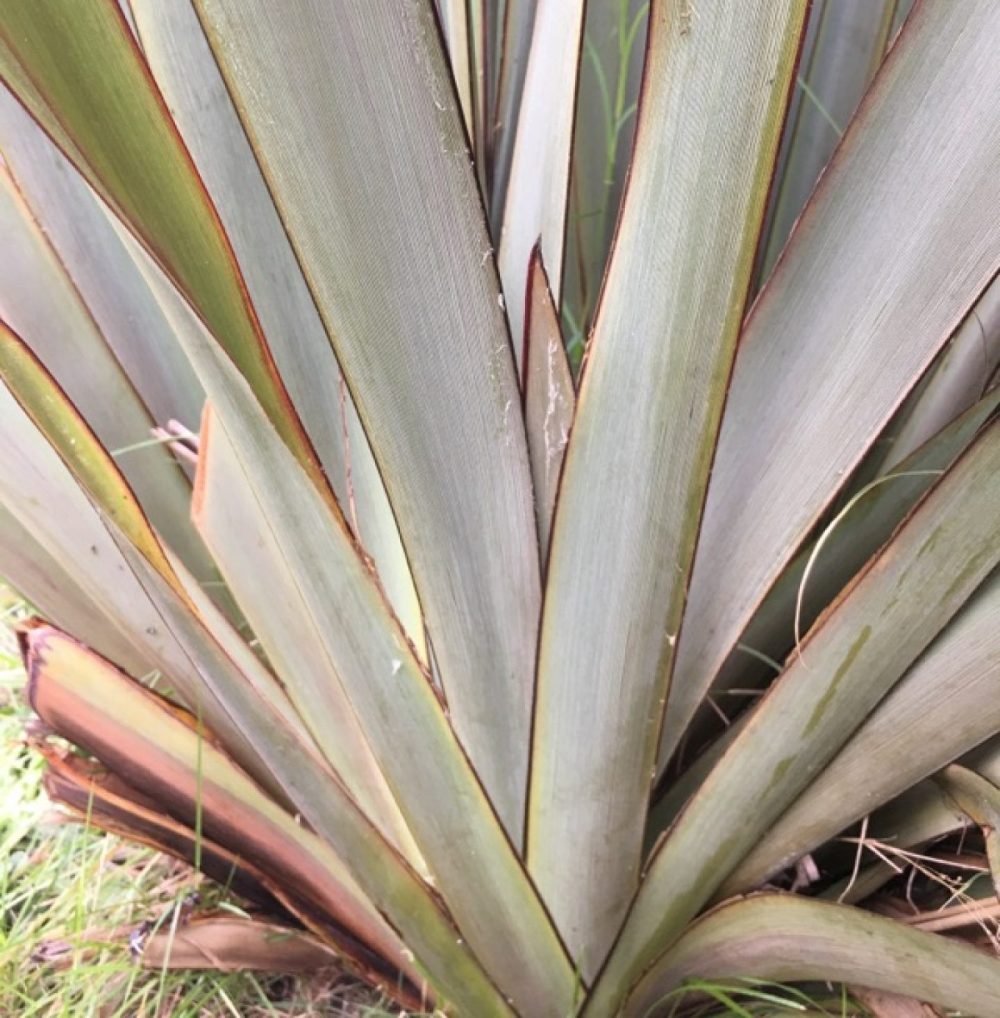
The outer leaves are cut vertically down as close to the base of the leaf as possible. This allows the harakeke to regenerate sustainably. Only enough flax is cut to complete the weaving project.


In the past is not cut by women who are bleeding, in a post colonial capitalist world — this protocol is not observed by me.
Cut harakeke is not stepped on or over, kai and inu are kept away from the weaving area. Hands are washed after weaving and before eating, these are all common sense , if you do ingest harakeke juice you’ll get the runs!!!!
When the weaving is finished, unused harakeke is not burnt but returned to the ground in some way. I recommend that leftover harakeke is composted or put into green waste.

When you have cut the leaves for your project, tie them together in bundles of about 20 at each end, Before leaving, cut away any dead or diseased leaves from the plant to encourage new growth and to help keep the plant healthy. You must give back to the plant by cleaning it of at least an equal amount you have cut.


 HGHS Mahi Raranga